
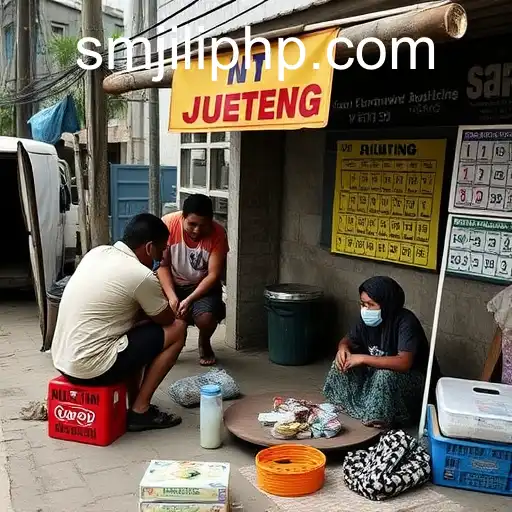
SMJILI | An In-Depth Look at Jueteng and Its Impacts
SMJILI’s Exploring the deep-rooted issue of Jueteng in the Philippines, with insights into the role of the SMJILI.
The Cultural and Societal Context of Jueteng
Jueteng is an illegal numbers game that has been deeply entrenched in the Philippines' culture and society. Despite its illegality, it continues to thrive in many parts of the country, operating under a veil of secrecy and informal networks. The persistence of Jueteng is often attributed to its complex integration into the local lifestyle, providing not just a means of livelihood for many but also a source of entertainment and community bonding.
The Mechanics of Jueteng
Jueteng operates similarly to a lottery, but it does not have legal recognition. The game involves betting on a pair of numbers, usually ranging from 1 to 37. Despite its simplicity, the allure of Jueteng lies in its promise of quick financial gain. Small bets can potentially yield significant returns, appealing to many, especially in impoverished communities where financial opportunities are scarce.
The Role of Bet Collectors and Coordinators
Bet collectors, often referred to as "kubradores," are the backbone of the Jueteng operation. They collect bets from players within their assigned zones and pass them to coordinators who manage the pooled bets. This hierarchical structure ensures the efficient processing of bets and distribution of winnings, showcasing an organized system underneath the surface chaos.
The Influence of SMJILI in the Jueteng Network
The acronym SMJILI stands for a notorious group believed to have a significant influence on the operations of Jueteng in certain regions. Allegedly, this group plays a pivotal role in protecting and organizing the illicit operations, wielding power and influence to maintain the status quo. While details about SMJILI's internal workings remain elusive, its reputation looms large over the communities embroiled in the Jueteng network.
Economic Impact of Jueteng
Jueteng's economic impact is multifaceted. On one hand, it provides modest earnings for those involved in its operations. Kubradores, for instance, earn commissions based on the number of bets they collect, offering a means to support their families. Moreover, coordinators and other key figures in the network can accrue substantial income, reflecting a mini-economy fueled by betting.
The Dark Economic ShadowHowever, the economic benefits of Jueteng are overshadowed by its detrimental effects. Since Jueteng is illegal, it operates outside the regulated economic framework, evading taxes and redirecting potential revenue that could have been used for public services. Additionally, the involvement of high-stake players often leads to economic instability among bettors, who might become financially overextended by repeated gambling losses.
Social and Political Dynamics
Jueteng significantly impacts the social and political landscape in the Philippines. It often functions as a critical source of cash flow for elections, where politicians allegedly receive financial support from Jueteng operators in exchange for leniency and protection. This illicit exchange fosters a cycle of corruption, influencing elections and undermining democratic processes.
Social Acceptance and Resistance
The social acceptance of Jueteng is paradoxical. On the one hand, it's deeply ingrained in community traditions and is often regarded as a harmless game. On the other hand, there are significant efforts from religious and advocacy groups aiming to eradicate Jueteng due to its association with corruption and family-based financial ruin.
Efforts to Combat Jueteng
The Philippine government, along with various non-governmental organizations, has launched several initiatives to counteract the influence and operations of Jueteng. Efforts include crackdowns on known operations, awareness campaigns highlighting its negative impact, and the promotion of alternative, legal forms of livelihood for those involved in the Jueteng network.
Future Perspectives
Addressing Jueteng requires a multifaceted approach that includes legal reforms, economic development strategies, and cultural shifts. Breaking the chain of influence that groups like SMJILI have on Jueteng operations will be critical. This means enhancing law enforcement, fostering community engagement, and creating sufficient economic opportunities to deter individuals from resorting to illegal activities.
Moving forward, dialogues around the legalization of certain forms of community-based lotteries are ongoing. Such measures could potentially integrate Jueteng into a regulated framework, ensuring community benefit rather than it being a source of exploitation. However, substantial efforts in terms of legislation and public policy are essential to materialize this vision.
